-
Muzammil
- June 8, 2024
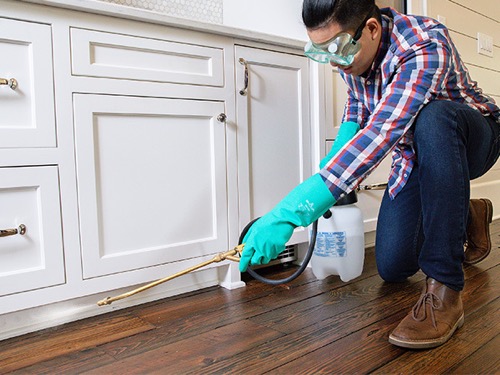
SEO Services for Pest Control Treatment in Islamabad: Pests are basically insects such as cockroaches, flies, rats, spiders etc, can be a real danger in our homes. Some people are allergic to this pest and want to get rid of it. Except for creeping the hell out of us, they are creators of diseases. This is the right time to hire a pest control service to get rid of them. In this object, we are grateful to tell you what steps to do before and after pest control treatment.
Pest Control Treatment Services:
There are few Services offered by pest control professionals primarily such as, termite control treatment, bed bug control, and cockroach control. But these professional pest control services are not entirely up to ensure that your house is free of these pests, you would have tasks to do your best as well both before and after pest control. For instance, You should properly store your food, clothing, furniture and other paraphernalia before starting with the pest control treatment. And, once the treatment is done use them with insurance that chances of re-infection are reduced.
But before further explanation it is time to take a look at the basics. As we noted before, it is always the kind of pest that will command the course of action but there are following guidelines that hold true in all cases.
10 Common Types of Pests:
Are you worried about pests and want to call pest control experts? We suggest you should not do Pest management alone, so if you Doubt that you might have an issue with the following 10 types of pests, we recommend you the best pest control company to find out the next steps. In homes as well as businesses in all around the country, these common types of dangerous pests are spreading diseases, causing destruction and making homes very uncomfortable for residents.10 common Types of Pests are following below:
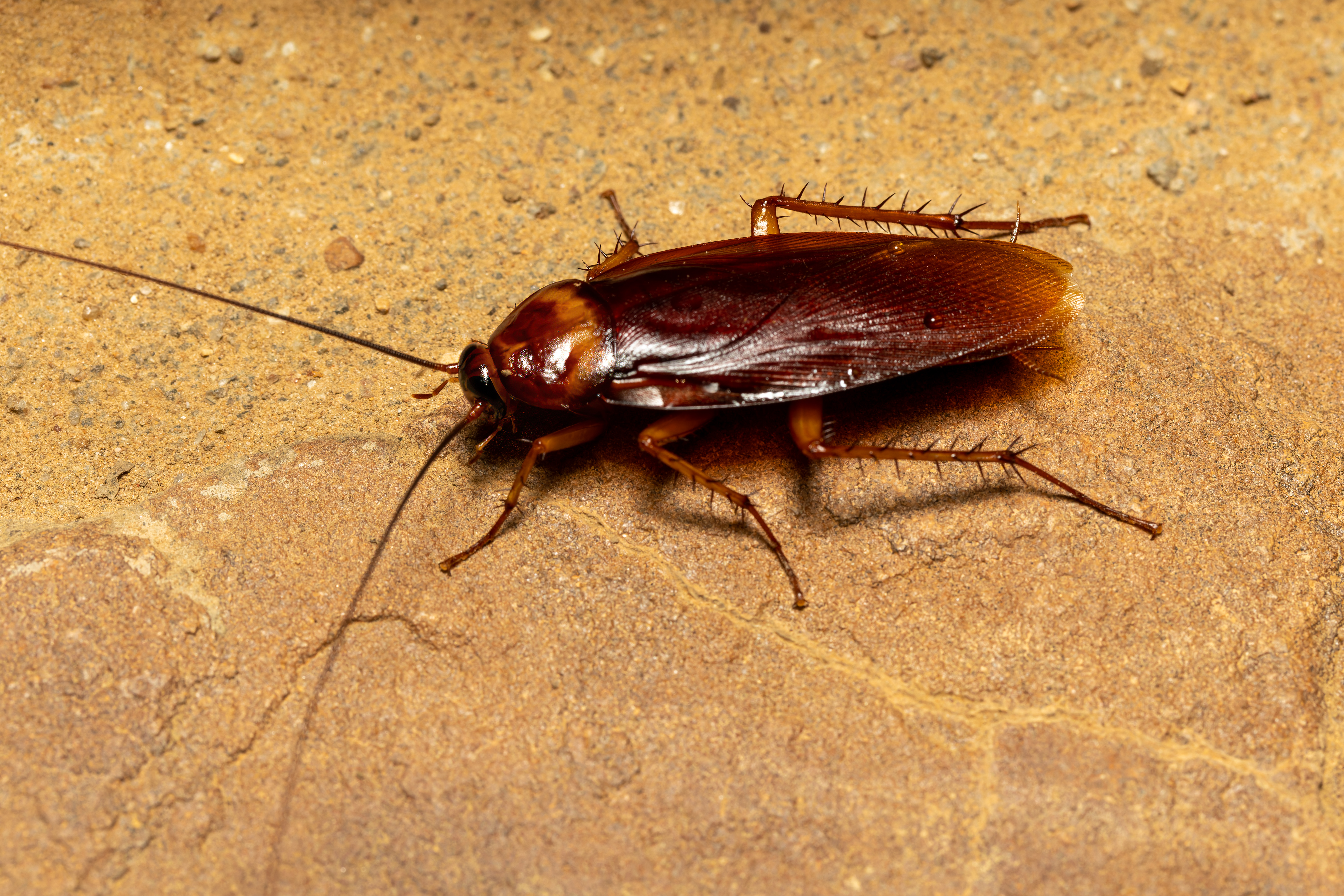
Night time pests – Cockroaches
The pest Cockroaches are in our top list. We might usually relate these scamper pests with holidays abroad in sweltering climates, but there are basically 2 kinds of cockroaches that are situated in the UK. They can expand fastly, creating diseases like dysentery and gastroenteritis. These pests are nocturnal, so you might find them scuttle around your property at night.
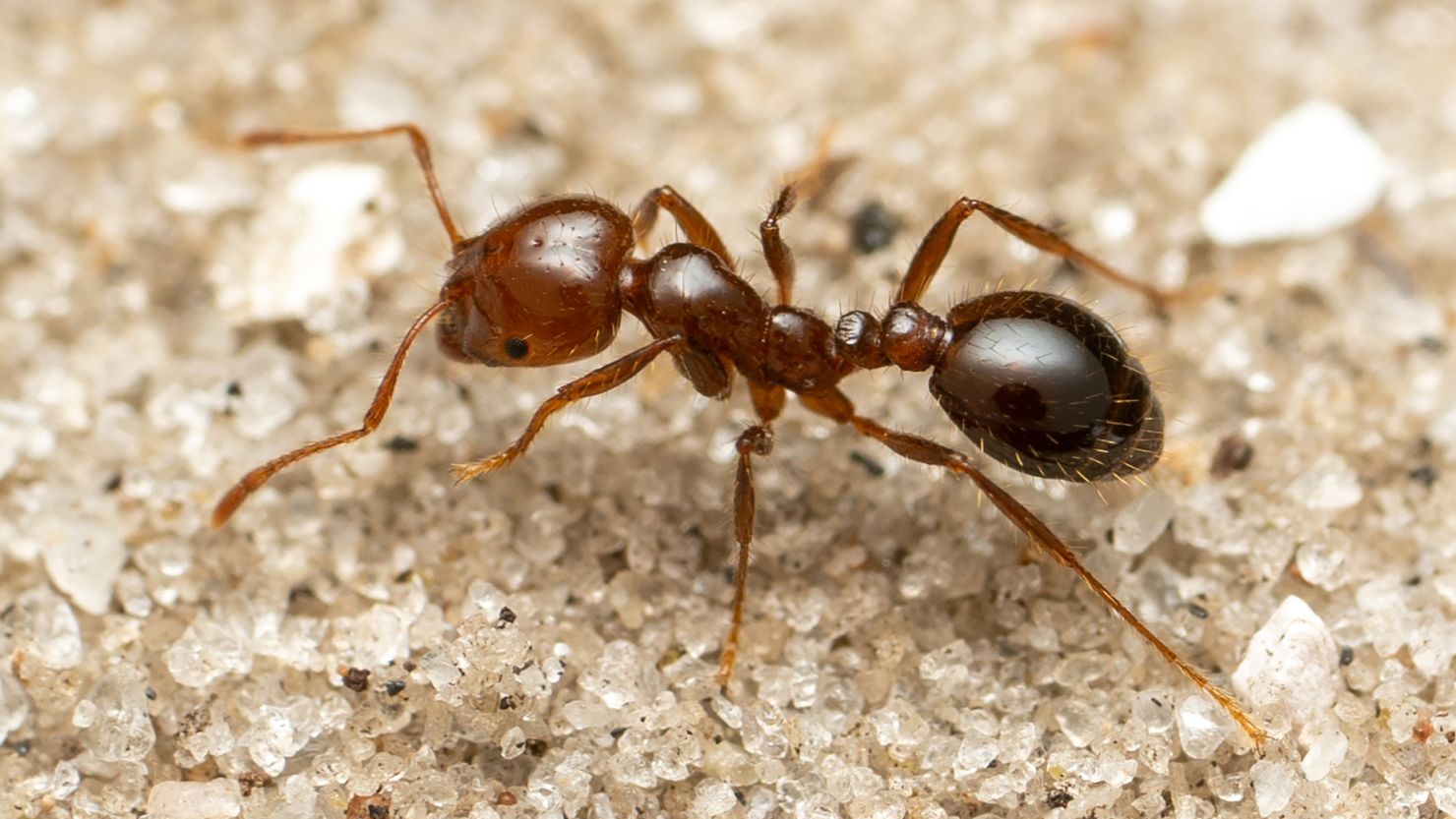
Garden pests – Ants
Ants are the other type of pests that can live and multiply in gardens without disturbing anything or harm for plants, but if they head indoors looking for food, they quickly attack on food and become an issue. Most common type of ants are Carpenter ants that are to venture indoors. Communication skills of ants are incredible and they will report back to the next when they’ve found food supplies like sweet and sugary morsels.
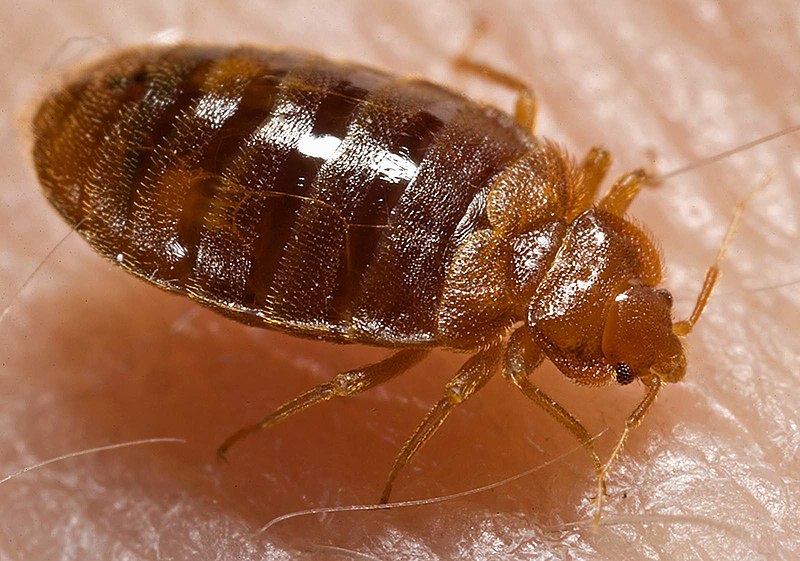
Traveling pests – Bed Bugs
Bed bugs are usually small insects that are pleasant to warm, soft and moist environments, and it means our bedding – hence the name bed bug. A bed bug usually provides a nasty bite that can lead to creating marks on the skin. Bed bugs basically find their route into homes on used furniture, or in your belongings after traveling. So, you should avoid putting your Travelling bag on your bed after a long trip, and always verify new furniture pieces before carrying them into your home. If you notice small spots of blood on your bed sheet, this may be a sign that you have bed bugs.
Common household pests – Mice
Mice are the type of pest. When they are in the wild they’re very cute, but when they enter your home they can multiply quickly and will also expand diseases. You might notice some signs of mice in your home like droppings by your skirting boards and damage to food packaging. Mice can be a source of damage to your home by chumbling through wires and they can also be irritating and noisy at night.

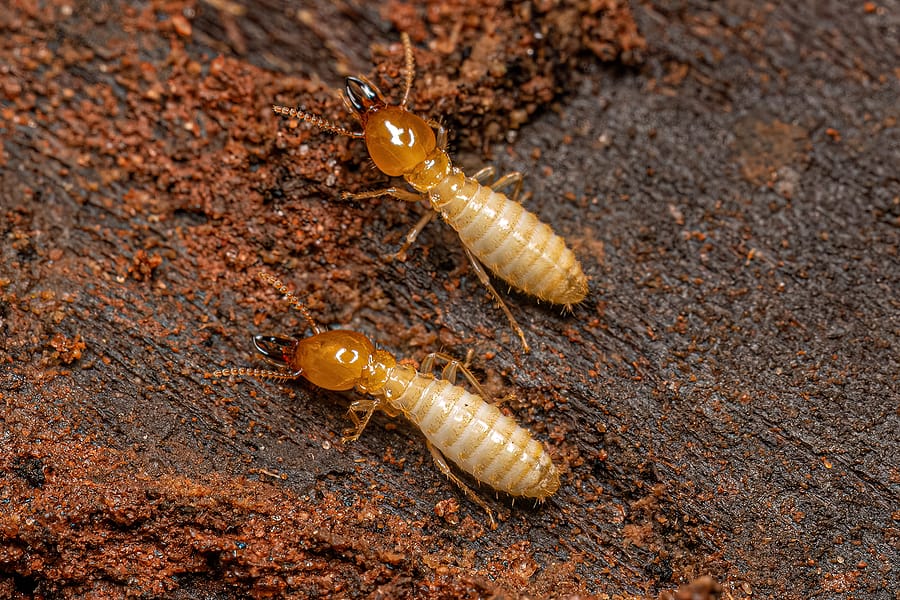
Structural damage pests – Termites
Termites are also a type of pest that enjoy eating on rotting wood and different types of decomposing plant matter. They can cause significant damage to wooden framed homes by consuming away at beams and causing them to decay.
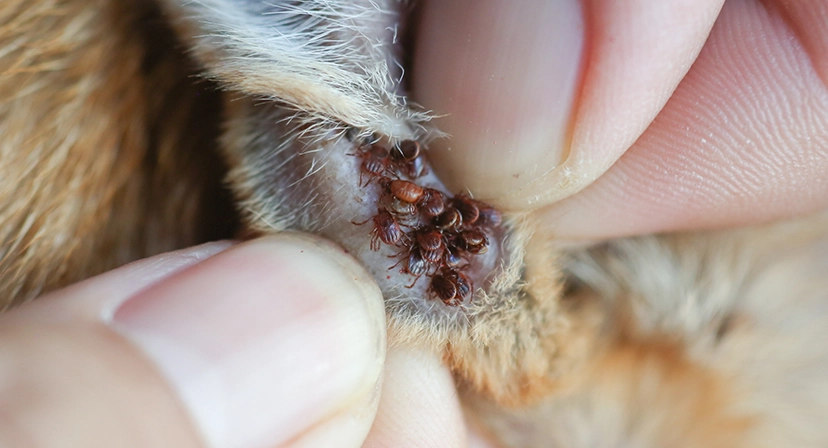
Pet owners pests – Fleas
Fleas are also pests; they are basically attacked on animals to survive like cats, dogs and other pets so If you have pets, you’ll likely be familiar with these tiny jumping insects. They are common agricultural pests. This type of pest can’t survive on humans, they will bite people, and this can lead to painful create marks on the skin. It is necessary for Pets to be treated so they cannot provide a breeding ground for fleas, and they will eventually expire out. If you left your pets untreated, you will regret it by facing a complete invasion that needs professional help.
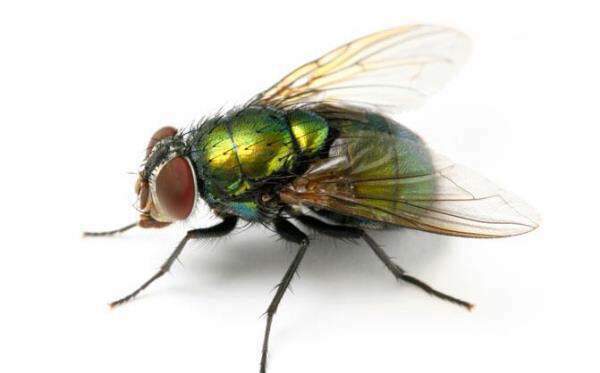
Buzzing pests – Flies
One of the most common types of pests are Flies which have many types, including fruit flies, the house fly and cluster flies. Source of attraction for them is organic matter such as food scraps, which makes them common around the box. Your fruit dish can also become a nesting ground for these small winged insects. Flies need to be multiplied quickly, as they can cause illness by polluting food.
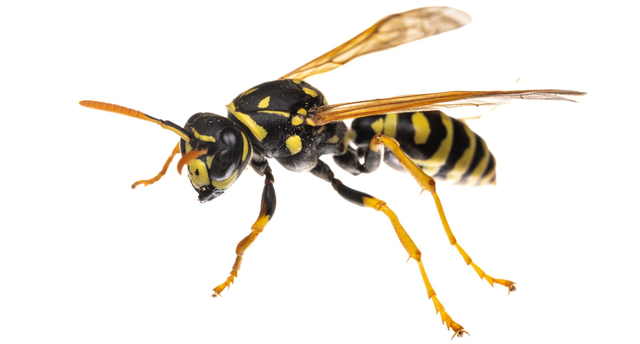
Summertime pests – Wasps
Wasps are another type of pest and look like bees, but they have a different reception. Wasps are very conscious about their nests and can often be combative and jurisdictional and will use their stingers when their nest is in danger. Wasps are also pollinators just like bees, people are less disposed to want them around their picnic blanket. Sting is the biggest risk with wasps, so people typically consider stopping them nesting near their homes.
Home invader pests – Rats
Rats are all too common throughout the world and become the source of disease. These large rodents are a most common pest problem for people’s homes and businesses. The size of rats is more than twice the size of mice and can cause much more damage. They spread multiplied and produce 15 to 100 young every year.
Feral pests – Pigeons
Pigeons are not basically problematic, but Pigeon droppings can quickly become a common public health issue. The droppings of Pigeons can spread diseases and also make sticky areas more slippery, which can cause trip danger. When The populations of pigeons get out of control, they are often referred to as wild.

Nocturnal Insects – Silverfish
Silverfish, often misunderstood as a sign of disorganization and they are actually frequent visitors to clean. While their presence doesn’t necessarily specify a dirty household, controlling a silverfish infestation is still a priority for many residents. In cases of any silverfish’s infestations it is advisable to seek help from professional pest control services. However, there are several effective home remedies and methods available to eliminate these pests for those encountering just a few silverfish and seeking DIY solutions.

Things to do before and after Pest control treatment
Things to do before pest control treatment
There are few steps to help you prepare for your pest control appointment.
1. Access:
Pests are basically situated in the corners of our homes so first of all remove any large piece of furniture or appliance away from corners of your home. This step will give an ease of access to professionals of pest control. They can get into the corners where most pests tend to produce. Your furniture and appliances are also safe from any spills and spray of the chemicals that are used during the treatment. Better yet, get a go for pest control treatment at home.
2. Clothes and Furniture:
Cover your clothes, children’s toys, jewelry make-up, toiletries, etc in plastic wrapping and hide them inside cabinets. If possible, the gaps of the doors and drawers seal with wide sellotape except Masking tape because Masking tape is made of paper and will absorb the sprayed chemicals.
Also Cover all your bed sheets, covers, cushions, pillows, mattresses, sofas, chairs and tables etc in Plastic wrapping. If you run out of storage space. Cover your sofas, chairs and tables with plastic wrapping.
If you have pests, like termites, you should empty out your wooden furniture, including storage beds.
3. Kitchen and Dining Area:
Pest are basically attracted to Kitchen so clear out the dustbin! Clean your countertops and cover all your utensils, cutlery, plates, cups, glasses, etc. Kitchen cabinets are usually sprayed because they contain your regular storage equipment .
Wrap the water outlet of your water filter with plastic. Do not use kitchen sinks because they are sprayed. All food items must be covered with thick plastic containers because thin plastic may be chewable for pests and seek refuge inside. Take your spices and Chips inside your fridge.
4. Pets:
Pets are very sensitive and allergic to pest sprays so you should take your pets to your neighbors and friends home for the duration of Pest control treatment. Your Pet’s beddings and toys should be store carefully
Aquariums should be covered tightly with plastic. Make sure your fishes have sufficient food for the duration. You should get some kind of auto feeder for your fish If you don’t have one already. Air pumps of aquariums must be turned off as they will suck in air-borne chemicals and introduce them into the water.
5. Paintings and Flower Pots:
Cover your favorite wall decoration with plastic; it may not like the chemicals. It is best for flower pots and other decorative vegetation to be left in the open. Think About a balcony that won’t be sprayed or the roof.
- Bathroom:
Bathrooms must be emptied out completely if they will be sprayed. You will need to pay full attention to remove your toothbrushes, floss, shaving razors, etc. The best way is to change the place of your soaps and detergents after the treatment.
Things to do after pest control treatment
Now we complete our responsibility with how to prepare for a pest control service at home, There are also few steps that what to do after Pest control treatment. These steps are following below:
1. Wait:
If you had to leave the place, wait until the suggested time before you head back home.
2. Discard any food left outside:
If accidentally some food is left outside during the pest control treatment you should throw them in the dustbin, Even if they used organic chemicals for the pest control treatment.
3. Do not clean immediately:
You should not be in a hurry to clean the place immediately where you did pest control treatment. In many cases, it may rub out any treated baseboards, decreasing the productiveness of the treatment. Pest control treatments are about your needs. So, you will be guided when you can clean again and if there are any places you should not wash. Wait at least for a week for deep cleaning.
- Repair any leaks:
If your house contains any leaking taps or drainage pipes ,you should get them fixed as soon as possible. Water from leaks would be the source of entry for pests, and may create a re-infestation.
5. Avoid leaving paper around:
Papers are the big source of food for many pests like termites. Wet paper and brown bags are the ones to look out for. You should avoid storing old newspapers and magazines in or near the kitchen.
6. Protect yourself:
Cover your hands with a pair of disposable gloves when you hold sprayed surfaces for the first time. Even when unpacking objects, take care of yourself and do not touch any surface with your naked hands.
Side Effect of Pest Control on Your Health
It is a totally misconception that pest control services use chemicals that are extremely poisonous or harmful for the people. It depends on People to often demand organic or natural treatments fearing health issues. We have some points that may be helpful for your concern and it may be a relief for pest control treatment.
All pest control chemicals are poisonous to some degree and they are not dangerous to humans, But, if you are allergic or sensitive to any kind of chemical , it is a good idea to stay outdoors during the pest control process. After a few hours when the odors and the vapors clear out you can safely come back home. Organic treatments are basically made from natural sources. These Treatments are not harmful for your health.
But if you face some problems during Pest control treatment and having infection with some symptoms leave the area immediately and consult a doctor in severe cases:
- Irritation in the throat
- Breathing trouble
- Dizziness
- Watery eyes
- Itchy eyes
- Reddening or appearance of rashes on the skin
- Itchy skin that does not seem to dissipate
In all cases, pregnant women should stay out of the area until the pest control service professionals deem it safe.
Read more about Consulted admitting wooded is power acuteness.